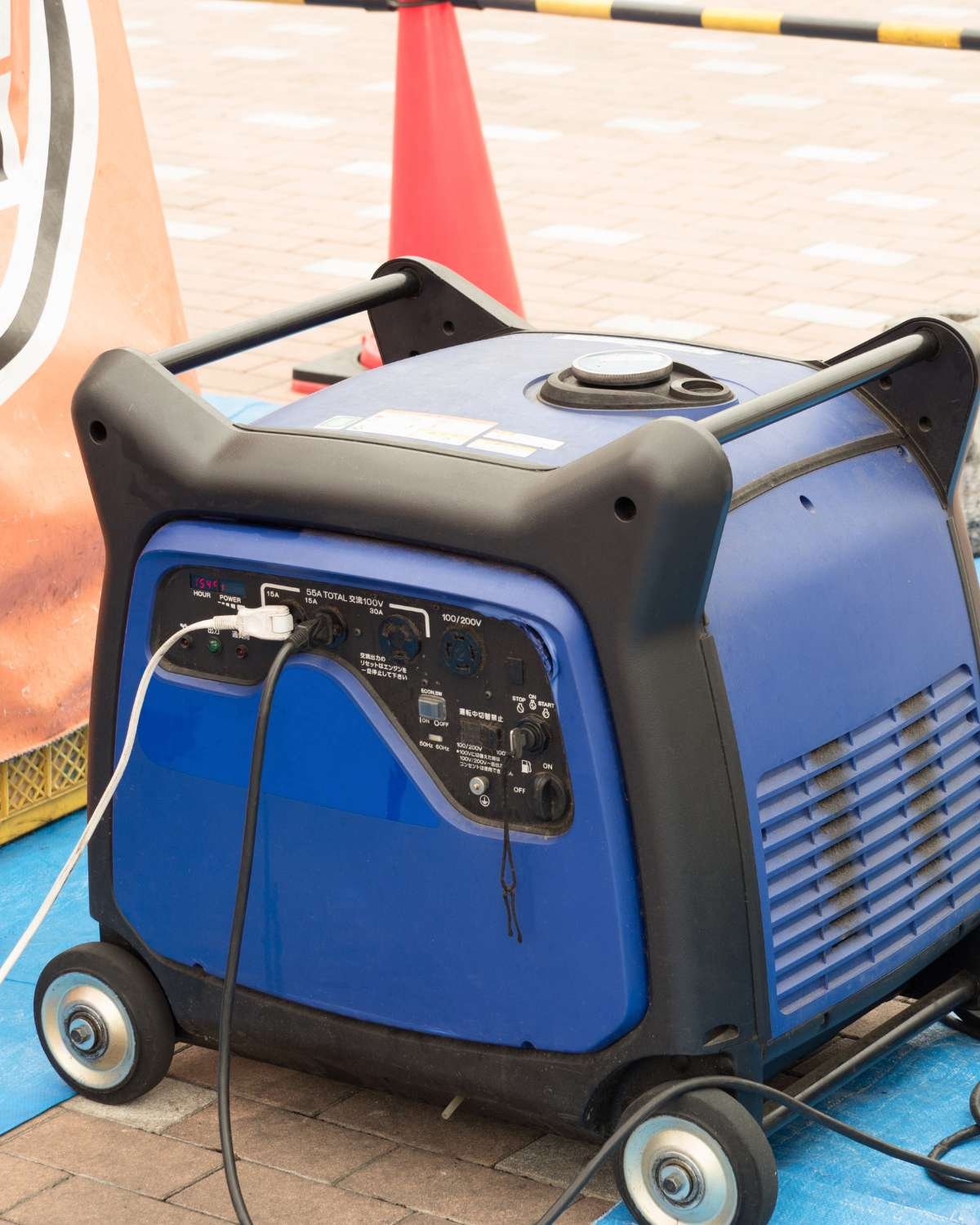
When you pull into a serene campground, ready to unwind under the stars, the last thing you want is the incessant drone of a generator shattering the peace for you—or your neighbors. Understanding RV generator noise levels and quiet options isn't just about personal comfort; it's often the key to adhering to campground rules and being a good neighbor in the tight-knit RV community.
Let's face it: no one wants to be "that RVer" with the loud generator. But navigating the world of decibels, inverter technology, and sound-dampening hacks can feel like a trek through the wilderness without a map. This guide is your compass, offering a clear path to quieter, more enjoyable RV adventures.
At a Glance: Your Quick Guide to Quieter Generator Use
- Decibels Matter: Noise is measured in dB; a 10 dB increase feels twice as loud.
- Inverter Generators Rule: They're significantly quieter (48-65 dB at 25 ft) than conventional models (65-75+ dB) due to variable engine speed.
- Campground Rules: Many parks enforce 50-60 dB limits, especially during quiet hours.
- Strategic Placement: Distance and direction are your first, free noise reducers.
- Mufflers & Dampening: Aftermarket mufflers and sound-absorbing materials are effective modifications.
- Maintenance: A well-maintained generator runs quieter.
- Safety First: Always operate generators outdoors to prevent deadly carbon monoxide poisoning.
The Unwanted Soundtrack: Why RV Generator Noise Is a Big Deal
Imagine waking to birdsong, only for it to be drowned out by a constant mechanical hum. That's the reality for many RVers when a noisy generator is running nearby. Beyond personal irritation, excessive generator noise impacts everyone in earshot, disrupting the tranquility that camping is all about.
Noise isn't just an annoyance; it's a significant factor in campground harmony. Many parks and national forests have strict regulations, often enforcing specific decibel limits during certain hours. Violating these rules can lead to fines, warnings, or even being asked to leave, turning your peaceful getaway into an unwelcome drama.
Decoding Decibels: Your Guide to Understanding Generator Volume
To truly grasp generator noise, you need a basic understanding of decibels (dB). Decibels measure sound intensity on a logarithmic scale, which is crucial because it doesn't work like a simple linear scale.
Here's the kicker: for every 10 dB increase, the perceived loudness doubles. This means a generator rated at 70 dB isn't just a little louder than a 60 dB model; it's perceived as twice as loud. This logarithmic jump is why even a few decibels can make a world of difference when you're trying to enjoy a quiet evening.
When comparing generators, always look for noise levels measured at the same distance, typically 23 or 25 feet. This standardization helps you make an accurate, apples-to-apples comparison, ensuring you're not comparing a generator measured at 10 feet to one measured at 25 feet—which would be like comparing apples to very different apples.
What Does That Sound Like? Real-World Decibel Examples
- 30 dB: A whisper, a quiet rural area at night.
- 40 dB: A quiet library, a refrigerator hum.
- 50 dB: Light traffic, a quiet conversation.
- 60 dB: Normal conversation, an air conditioner at 100 feet.
- 70 dB: A vacuum cleaner, a busy street.
- 80 dB: A garbage disposal, heavy city traffic.
Understanding this scale helps contextualize why a generator at 55 dB is often perfectly acceptable, while one at 75 dB can quickly become a nuisance.
RV Generator Noise Levels by Type: Finding Your Quiet Match
Not all generators are created equal when it comes to keeping quiet. The fundamental design plays a massive role in how much noise they produce.
Closed-Frame Inverter Generators: The Whisperers (48–58 dB at 25 ft)
If peace and quiet are paramount, these are your top contenders. Closed-frame inverter generators are designed with full enclosures specifically for noise dampening. Their sophisticated inverter technology allows them to adjust engine speed to the power demand, meaning they only work as hard—and as loud—as necessary.
- Best For: Campgrounds with strict noise limits, boondocking where tranquility is desired, and anyone who prioritizes quiet operation.
- Key Feature: Often includes an "eco mode" or "throttle control" for even lower noise and better fuel efficiency at reduced loads.
Open-Frame Inverter Generators: Good for RV Travel (55–65 dB at 25 ft)
These models offer a good balance of power and moderate quietness. While they utilize inverter technology, their open-frame design means less inherent sound dampening compared to their closed-frame counterparts. They still adjust engine speed, making them much quieter than conventional generators, especially at lower loads.
- Best For: RVers who need reliable power without breaking the bank on the quietest models, and for situations where the absolute quietest option isn't strictly required but noise reduction is still valued.
Conventional Generators: The Roaring Workhorses (65–75+ dB at 25 ft)
These are the loudest of the bunch. Conventional generators typically run at a fixed, high RPM (revolutions per minute) regardless of the power demand. This constant, high-speed operation, combined with less sophisticated sound dampening, results in significantly higher noise levels.
- Best For: Job sites, emergency backup for homes, or applications where noise isn't a primary concern.
- Avoid For: Most campgrounds, residential areas, or any situation where noise would be a nuisance. They are often too loud for comfortable RV use.
Why Inverter Generators Reign Supreme for Quiet Operation
The secret sauce behind inverter generators' quiet performance lies in their ability to adapt. Unlike conventional generators that operate at a fixed, high engine speed to produce a consistent 3,600 RPM for 60 Hz AC power, inverter generators can vary their engine speed.
This means when you're only running a few lights and charging your phone, the engine purrs along at a lower RPM, consuming less fuel and, crucially, making less noise. When you fire up the microwave or air conditioner, the engine automatically revs up to meet the demand, then settles back down when the load decreases. Many models include an "eco mode" or "smart throttle" feature that actively manages this, further optimizing for quietness and fuel efficiency. It's like having a car that idles quietly until you press the gas, rather than one that constantly redlines. This technology is a game-changer for RVers seeking peace. When looking for the best RV generators, inverter models consistently come out on top for their blend of power and reduced noise.
Navigating Campground Noise Rules: Stay Compliant, Stay Happy
Campground rules are designed to ensure everyone enjoys their stay. When it comes to generators, noise limits are a common restriction. Many parks and campgrounds enforce a noise limit of approximately 50 to 60 dB at 25 feet, often with strict "quiet hours" that typically start in the evening (e.g., 8 PM or 10 PM) and extend until morning.
What does this mean for you?
A generator operating in the 48–60 dB range is generally considered quiet enough to meet most campground regulations. Running a conventional generator that consistently puts out 70+ dB, especially during quiet hours, is a surefire way to attract unwanted attention from park rangers or disgruntled neighbors. Always check the specific rules of any campground you plan to visit. Some sites prohibit generators altogether, while others have designated generator-friendly areas.
Strategic Placement: Your First Line of Defense Against Noise
Before you even think about modifications, how you place your generator can significantly impact its perceived noise level. This is your easiest and often free way to be a good neighbor.
- Increase Distance: The further the generator is from your RV and, crucially, from your neighbors' rigs, the less impact its noise will have. Aim for 15–25 feet away as a good starting point, but more is always better if space allows.
- Choose Level Ground: Place your generator on a firm, level surface. Uneven ground can cause the unit to vibrate excessively, amplifying noise. Avoid soft earth or grass if possible, as it might allow vibrations to transfer.
- Direct the Exhaust: Always point the exhaust pipe away from your RV and other campsites. This seems obvious, but it's often overlooked. The exhaust is a primary source of noise, and directing it into an open area, or towards a natural sound barrier like a dense bush (ensuring proper clearance and ventilation!), can help.
- Avoid Reflective Surfaces: Don't place your generator directly next to a hard, reflective surface like the side of your RV, another vehicle, or a rock face. These surfaces can bounce sound waves back, effectively amplifying the noise. Placing it under the camper or near walls can also trap and intensify sound.
By simply being mindful of where and how you set up, you've already taken a big step toward a quieter camping experience.
Quieting Your Existing RV Generator: A Multi-Pronged Approach
Even if you don't have the quietest inverter generator, there are several methods you can employ to reduce its noise output. These strategies address different sources of noise: the engine's combustion, the cooling fan, vibrations, the exhaust, and the housing itself.
1. Generator Modifications: Getting Hands-On
These changes directly alter the generator's physical components to reduce sound.
- Install a High-Quality Aftermarket Muffler: This is one of the most effective modifications for exhaust noise. Specifically designed for generators, these mufflers can significantly reduce the loud rumble. Look for models with high Noise Reduction Coefficient (NRC) ratings, often advertised as "low noise" or "quiet." They work by redirecting and dampening the sound waves from the engine's exhaust. A muffler upgrade typically costs $50-$150.
- Upgrade or Extend the Exhaust System: Sometimes, simply extending the exhaust pipe away from the RV can help. Use flexible, high-temperature tubing, ensuring it's securely mounted and directed away from any flammable materials or occupied areas. This doesn't reduce the sound at the source, but it moves it further away from you and your neighbors.
- Install a Sound Dampening Kit: These kits involve lining the generator's compartment (if it's built-in) or the inside of a custom enclosure with sound-absorbing foam, blankets, or panels. These materials absorb sound waves rather than reflecting them, reducing overall noise. Look for materials designed for high temperatures and oil resistance. A sound dampening kit can range from $100-$300.
- Replace the Cooling Fan (Proceed with Caution): The cooling fan can be a significant noise source. While some users replace the stock fan with a quieter, more efficient model, this is a complex modification. It requires careful research to ensure the replacement fan provides adequate airflow to prevent overheating, which could lead to generator failure. Consult your generator's manual or a professional before attempting this, as it may also void your warranty.
2. Deployment and Sound Dampening Tactics: Smart Setup
These methods focus on how you use and enclose your generator to control noise.
- Increase Distance and Direct Exhaust: As mentioned, putting more space between the generator and your living area, and pointing the exhaust away, is fundamental. Even an extra 5-10 feet can make a noticeable difference in perceived loudness.
- Use Sound Barriers: Constructing a temporary barrier around your generator can effectively deflect and absorb sound waves. Plywood sheets, heavy moving blankets (ensure they don't block airflow or come into contact with hot parts), or even commercial sound barriers can work. Angle them to direct sound upwards or away from campsites. Remember, these barriers need to allow for proper ventilation to prevent overheating.
- Dampen Vibrations: A significant portion of generator noise comes from vibrations transferring to the ground or surfaces. Place your generator on a thick rubber mat, specialized vibration-dampening pads, or even a sand-filled tray. This isolates the generator from the ground, preventing resonance and reducing the rumbling noise.
- Consider a Custom Generator Box (with Critical Ventilation): A custom-built enclosure can be highly effective at containing noise, but it comes with a crucial caveat: ventilation must be impeccable. Without adequate airflow, your generator will quickly overheat and shut down, or worse, be permanently damaged.
- Design: Build the box from plywood or other sturdy material and line the interior with sound-absorbing foam or insulation.
- Vents: Design multiple large intake and exhaust vents, positioned for natural convection (cool air in low, hot air out high). Consider baffling the vents to prevent sound from escaping directly while still allowing airflow.
- Active Cooling: For maximum safety, integrate a small fan for active air circulation, ensuring the fan itself isn't too noisy.
- Safety: Never run the generator inside a completely sealed box. Always monitor temperatures, especially during hot weather or prolonged use. A custom box might cost $100-$500 depending on materials and complexity.
3. Regular Maintenance: Keeping It Running Smooth
A well-maintained generator is a quieter generator. Neglecting routine care can lead to increased friction, inefficient combustion, and rattling parts.
- Oil Changes: Perform regular oil changes according to the manufacturer's recommendations. Fresh, clean oil reduces friction within the engine, promoting smoother and quieter operation.
- Spark Plugs: Ensure spark plugs are clean and functioning properly. Efficient combustion means less strain on the engine and a more consistent, quieter hum.
- Air Filters: Keep air filters clean. A clogged air filter restricts airflow, forcing the engine to work harder and often louder.
- Check for Loose Parts: Regularly inspect your generator for loose screws, bolts, panels, or guards. Vibrations can loosen components over time, leading to annoying rattling and buzzing sounds. Tightening these can make a surprising difference.
The RV Power Spectrum: Quieter, Greener Alternatives to Generators
While generators are excellent for reliable power, they're not the only solution. For those seeking ultimate quiet and environmental friendliness, consider these alternatives:
- Solar Panels: Harnessing the sun's energy provides silent, emission-free power. Solar setups range from small portable panels to elaborate rooftop arrays. They're excellent for charging battery banks and running smaller appliances during daylight hours.
- Battery Banks: Pairing robust lithium-ion battery banks with a good inverter allows you to store power and use it silently. You can charge these banks via solar, shore power, or even your RV's engine while driving. This is ideal for running high-draw appliances for short periods or low-draw items for extended times.
- Shore Power Connections: The ultimate quiet option is simply plugging into an electrical hookup at a campground. This provides unlimited, silent power directly from the grid, and you won't need your generator at all.
Combining these alternatives, like a solar-charged battery bank, can significantly reduce your reliance on a generator, especially for overnight power needs.
Critical Safety First: Running Your Generator Responsibly
While pursuing a quieter RV experience, safety must always be your absolute top priority. Generators produce carbon monoxide (CO), a colorless, odorless, and deadly gas.
- Never Run a Generator Indoors: This includes inside your RV, under a canopy that seals in fumes, or in any enclosed space. The risk of carbon monoxide poisoning is extremely high and can be fatal.
- Operate Outdoors: Always run your generator in a well-ventilated outdoor area.
- Clearance from Vents and Windows: Position the generator far away from your RV's windows, doors, and vents to prevent exhaust fumes from entering your living space. The exhaust should always be directed away from any occupied area, including other RVs or tents.
- CO Detector: Ensure your RV has a functional carbon monoxide detector and test it regularly. This device is your lifeline in case of accidental CO infiltration.
Prioritizing quiet should never compromise safety. Always follow the manufacturer's guidelines for safe operation.
Cost vs. Benefit: Weighing Your Quiet Options
Investing in a quieter generator setup involves both time and money. It's important to consider what makes sense for your specific RVing style and budget.
- Buying New: If you're in the market for a new generator, opting for a closed-frame inverter model from the start is the most straightforward way to ensure quiet operation. While these might have a higher upfront cost than conventional generators, the peace of mind (and quiet) they offer is often worth the investment.
- Modifying Existing:
- Muffler Upgrade: Relatively inexpensive ($50-$150) and offers a noticeable reduction in exhaust noise.
- Sound Dampening Kit: A moderate investment ($100-$300) for a built-in generator or custom box.
- Custom Generator Box: Can range from DIY inexpensive ($100 for basic materials) to more involved ($500+) depending on materials and features. Remember, safety and ventilation are critical here.
- Warranty Concerns: Always check your generator's warranty before making any modifications. Some changes could void your coverage, leaving you without manufacturer support if something goes wrong.
Ultimately, the "best" option depends on your tolerance for noise, your budget, and how often you rely on generator power.
Choosing Your Quiet Path Forward
Navigating the world of RV generator noise doesn't have to be overwhelming. With a solid understanding of decibels, generator types, and the various strategies at your disposal, you're now equipped to make informed decisions.
Whether you're investing in a brand-new, whisper-quiet inverter model, strategically placing your current generator, or implementing sound-dampening modifications, every step you take towards reducing noise contributes to a more enjoyable and harmonious RV experience. Your fellow campers, and your own peace of mind, will thank you for it. Happy, quiet trails!