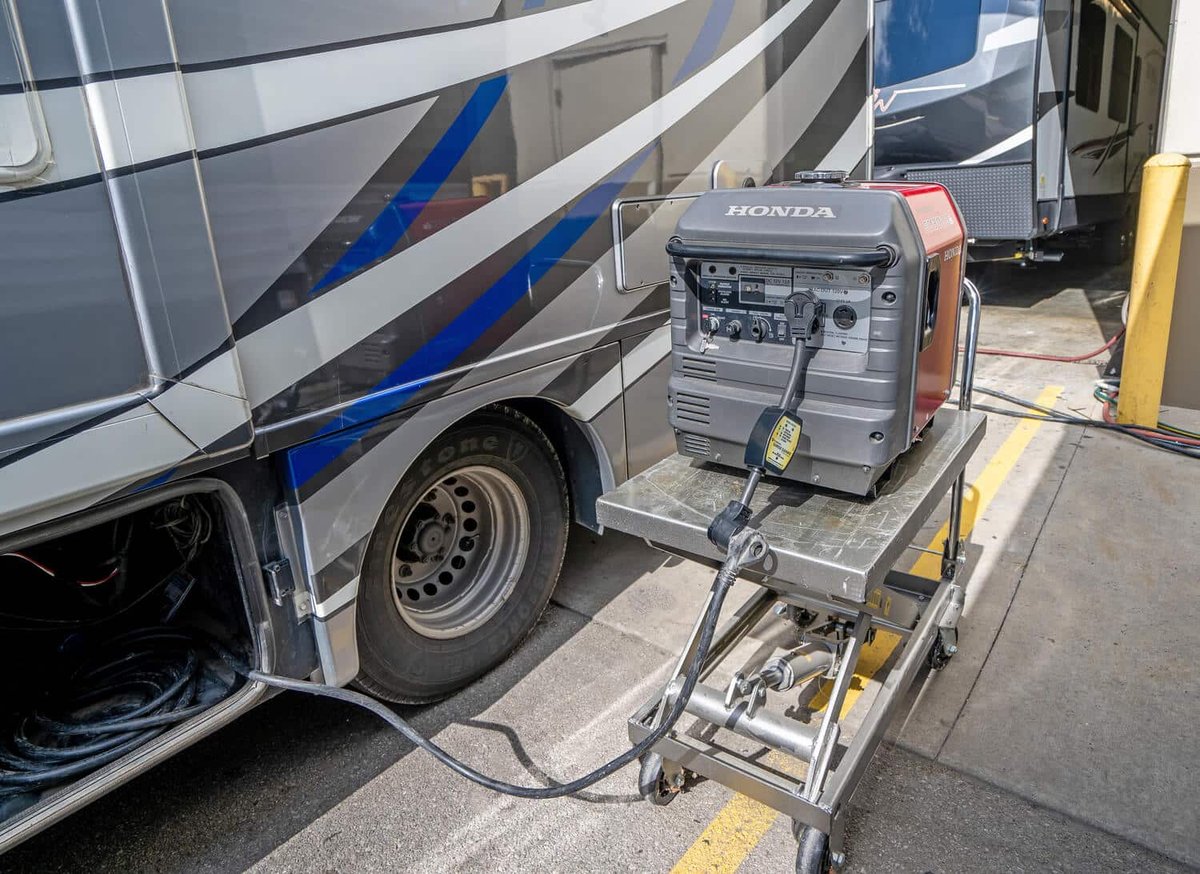
Hitting the open road in your RV offers unparalleled freedom, but that freedom often comes with a crucial question: how will you power your adventures when you’re far from civilization or a reliable electrical hookup? This is where RV generators become your silent (or not-so-silent) workhorses, providing the electrical juice needed to run everything from your coffee maker to your air conditioner. Understanding the different types of RV generators explained here will empower you to choose the perfect match for your travels, ensuring comfort and convenience wherever you roam.
Whether you're boondocking in the desert, dry camping by a lake, or simply need backup power during an outage, the right generator is a non-negotiable tool in your RV arsenal. It’s more than just a convenience; it’s the heart of your off-grid living, keeping your food cold, your devices charged, and your living space comfortable.
At a Glance: Your Quick Guide to RV Generators
- Wattage is Key: Always calculate your total power needs (including starting surges for motors) and size up slightly.
- Noise Matters: Inverter generators are significantly quieter (50-60 dB) than conventional models (70+ dB). Respect campground quiet hours!
- Fuel Options Vary: Gasoline is common, propane is cleaner, diesel is efficient for large rigs, and solar is silent but weather-dependent.
- Portable vs. Built-in: Portable offers flexibility; built-in provides integrated convenience.
- Inverter Reigns Supreme: For sensitive electronics and quiet operation, inverter generators are almost always the preferred choice.
- Maintenance Prevents Headaches: Regular checks and exercise runs extend generator life and prevent common issues.
Why Reliable Power is Non-Negotiable on the Road
Imagine waking up to a stale RV, unable to brew coffee or charge your phone, all because you’re miles from the nearest power pole. This scenario highlights why an RV generator isn't just a luxury; it's a necessity for many. It bridges the gap between your desire for off-grid adventure and your need for modern comforts. From powering essential medical devices to running your climate control on a sweltering day, generators ensure your RV remains a comfortable, functional home, no matter how remote your campsite. They're especially critical for extended trips, boondocking in areas without electrical hookups, and as a reliable emergency preparedness tool.
Choosing Your Power Partner: Key Considerations
Before diving into specific generator types, let's explore the critical factors that will guide your selection. Think of these as your personal power checklist, ensuring your chosen generator aligns perfectly with your RV lifestyle.
1. What's Your Wattage Appetite? Powering Up Your Comforts
This is perhaps the most crucial calculation. Every appliance in your RV has a wattage rating – the amount of power it consumes. You need to sum up the running wattage of all devices you expect to use simultaneously. Don't forget the "starting wattage" or "surge wattage" for appliances with motors, like your air conditioner, microwave, or refrigerator. These momentarily draw 2-3 times their running wattage when they first kick on.
- Small RV (basic needs): Lights, phone chargers, laptop, a small fan – you might need 1,000-2,000 watts.
- Mid-sized RV (more amenities): Microwave, refrigerator, TV, lights, occasional AC – aim for 3,000-4,000 watts.
- Large RV (all the bells and whistles): Multiple AC units, washer/dryer, electric water heater, entertainment systems – you could need 4,500 watts or more.
Pro Tip: Always calculate your total needs, then add at least 10-20% buffer. It's better to have a little extra power than not enough.
2. The Sound of Silence (or Not): Decibels and Campground Etiquette
Generator noise is measured in decibels (dB), and a small difference in numbers can mean a big difference to your ears – and your neighbors'.
- Inverter Generators: Typically operate in the 50-60 dB range, which is comparable to a normal conversation or a quiet dishwasher. These are generally preferred for campgrounds with quiet hours.
- Conventional Generators: Can reach 70 dB or higher, similar to a vacuum cleaner or a busy street. This can be disruptive, especially at night.
Many campgrounds have strict quiet hours (e.g., 8 PM to 8 AM), during which generator use is often prohibited. Choosing a quieter model is not just about your comfort, but also about being a good neighbor.
3. Fueling Your Adventures: Efficiency and Availability
The type of fuel your generator uses impacts not only its operating cost and run time but also how easily you can refuel on the road.
- Gasoline: Widely available at almost any gas station, making it convenient. However, it's generally less fuel-efficient than diesel and requires carrying extra, often heavy, fuel cans for portable units. It also has a shorter shelf life without stabilizers.
- Propane (LP): Burns cleaner than gasoline, producing fewer emissions and less smell. It's also often shared with your RV's existing appliances, simplifying fuel management for onboard generators. However, it's less energy-dense than gasoline or diesel, meaning you'll burn through more of it for the same power output, and it can be harder to find in remote areas.
- Diesel: The champion of fuel efficiency for generators, especially under heavy loads. Diesel generators are robust, long-lasting, and ideal for continuous, high-power needs. Fuel is readily available at truck stops and many gas stations.
- Solar Power: The ultimate in silent, emission-free power with no ongoing fuel costs. However, it requires a significant upfront investment in panels, batteries, and an inverter. Its output is entirely dependent on sunlight, making it less reliable for high-draw appliances or continuous nighttime use without a massive battery bank.
4. Portable Freedom vs. Integrated Convenience
This choice boils down to your RV size, your power needs, and your preference for flexibility.
- Portable Generators: These are standalone units you can move, place away from your RV for noise reduction, or even lend to a friend. They offer great flexibility and can be less expensive upfront.
- Built-in (Onboard) Generators: Permanently installed within your RV, often with dedicated compartments for soundproofing and exhaust. They draw fuel directly from your RV's main tank or an onboard propane tank, offering seamless integration and convenience. These are common in larger motorhomes and some fifth wheels.
Now, let's explore the specific types of RV generators in detail.
The Core Players: Different Types of RV Generators
RV generators fall into three main categories: portable, built-in, and solar. Each has its unique strengths and ideal applications.
1. Portable Generators: Your Flexible Power Companions
Portable generators are standalone units that you can move, making them incredibly versatile. They're a popular choice for towable RVs (travel trailers, pop-ups, truck campers) and smaller motorhomes, or as supplemental power for larger rigs.
By Fuel Type:
- Gasoline Generators:
- The Go-To for Many: These are the most common and often the most affordable type of portable generator. Gasoline is easy to find, and these units generally provide a good power output for their size.
- Pros: Widespread fuel availability, generally lower initial cost, good power-to-weight ratio.
- Cons: Tend to be louder than propane or inverter models, produce exhaust fumes (requiring careful placement), heavier than comparable propane or inverter units, and you'll need to carry extra fuel cans. Gasoline also degrades over time, potentially leading to carburetor issues if not properly stored or treated.
- Ideal For: RVers who prioritize upfront cost savings and easy access to fuel, but are mindful of noise and exhaust.
- Propane (LP) Generators:
- The Cleaner Choice: These units connect to your RV's existing propane tanks or external LP cylinders. Propane burns cleaner, resulting in less carbon buildup, fewer emissions, and often a quieter operation than gasoline equivalents.
- Pros: Cleaner burning (less smell, less carbon monoxide risk if vented properly), often quieter, fuel can be shared with RV appliances (like your fridge or stove), longer fuel shelf life (doesn't degrade like gasoline).
- Cons: Less fuel-efficient than gasoline (you'll use more propane for the same power), can be harder to find propane refills in very remote areas, slightly lower power output per gallon compared to gasoline.
- Ideal For: RVers who value cleaner operation, a shared fuel source, and often a quieter experience.
- Dual-Fuel Generators:
- The Best of Both Worlds: These clever generators can run on either gasoline or propane, giving you maximum flexibility in terms of fuel availability. If you run out of one, you can switch to the other.
- Pros: Exceptional flexibility for fuel sourcing, allowing you to adapt to whatever is available.
- Cons: Often more expensive upfront due to the more complex engine design, can be slightly heavier.
- Ideal For: RVers who explore diverse locations and want peace of mind knowing they have multiple fuel options.
By Power Technology: Inverter vs. Conventional
This is a critical distinction that affects power quality, noise, and fuel efficiency.
- Inverter Generators:
- The Modern Solution: Inverter technology allows the generator's engine to run at variable speeds, precisely matching the power demand. This process first converts AC power to DC, then inverts it back to clean, stable AC power (a pure sine wave).
- Pros:
- Clean Power: Produces "clean" power (stable sine wave), which is safe for sensitive electronics like laptops, smartphones, flat-screen TVs, and medical equipment.
- Significantly Quieter: Typically operate in the 50-60 dB range, making them campground-friendly and less intrusive.
- More Fuel-Efficient: The variable engine speed means they only produce as much power as needed, leading to substantial fuel savings.
- Lighter & More Portable: Often designed with compact footprints and lighter materials.
- Parallel Capability: Many models can be linked together (paralleled) to double the power output when needed.
- Cons: Higher upfront cost than conventional generators of similar wattage.
- Recommended For: Most RVers. The benefits of quiet operation, fuel efficiency, and safe power for sensitive electronics make inverter generators the top choice for the vast majority of recreational users.
- Conventional Generators:
- The Traditional Workhorse: These generators run at a constant engine speed (typically 3,600 RPM) to produce a consistent frequency of AC power.
- Pros: Lower upfront cost, robust for demanding, non-sensitive applications like power tools on a construction site.
- Cons:
- "Dirty" Power: The power output is often a modified sine wave or a less stable sine wave, which can potentially harm or degrade sensitive electronics over time.
- Much Louder: Generally 70 dB or higher, making them less suitable for quiet campgrounds or extended use near living spaces.
- Less Fuel-Efficient: Running at a constant high RPM, regardless of load, consumes more fuel.
- Heavier and Bulkier: Tend to be larger and heavier.
- Ideal For: Seldom used backup power where noise isn't a concern, or for powering heavy-duty tools that aren't sensitive to power fluctuations. Not generally recommended as the primary power source for modern RVs with their array of electronics.
2. Built-in (Onboard) Generators: Integrated Power for Larger Rigs
Permanently installed generators are a hallmark of larger motorhomes (Class A, Class C) and some higher-end fifth wheels. They integrate seamlessly into the RV's power system and often draw fuel from the main vehicle tank.
By Fuel Type:
- Diesel Generators (Onboard):
- The Powerhouse: Found predominantly in large diesel pusher motorhomes, these generators draw fuel directly from the RV's main diesel tank. They are renowned for their incredible fuel efficiency, longevity, and high power output.
- Pros: Highly fuel-efficient, extremely durable with a long lifespan, powerful enough to run multiple AC units simultaneously, often quieter than onboard gasoline generators due to robust construction and soundproofing. Shared fuel source with the motorhome.
- Cons: Highest upfront cost, heavier, requires diesel engine maintenance, which can be more specialized.
- Ideal For: Large Class A diesel motorhomes, full-timers, or RVers who need continuous, high-capacity power for extended periods.
- Gasoline Generators (Onboard):
- The Standard for Many Motorhomes: Common in many Class A and Class C gasoline motorhomes, these units draw fuel from the RV's main gasoline tank.
- Pros: Convenient fuel source (no separate fuel cans needed), generally powerful enough for most RV needs (running one or two AC units), lower upfront cost than diesel counterparts.
- Cons: Can be noisy, less fuel-efficient than diesel, and produce exhaust fumes. Many require the RV's fuel tank to be at least 1/4 to 1/3 full to operate, preventing you from accidentally stranding yourself.
- Ideal For: Class A and C gasoline motorhome owners who need reliable onboard power for typical RV usage.
- LP (Propane) Generators (Onboard):
- The Clean & Quiet Option: While less common as a primary generator for larger rigs due to propane's lower energy density, these units use the RV's existing propane supply.
- Pros: Cleaner burning, often quieter than onboard gasoline generators. Shared fuel source with other RV appliances.
- Cons: Less powerful than comparable gasoline or diesel models, propane burns faster (meaning more frequent refilling of tanks), which can be a limiting factor for extended boondocking.
- Ideal For: Smaller Class B or C motorhomes, or RVers who prioritize cleaner burning fuel and quieter operation over maximum power or extended run times without refueling.
3. Solar Generators: The Silent, Emission-Free Future
While not "generators" in the traditional sense (they don't burn fuel to produce electricity directly), solar power systems serve the same purpose: providing electricity to your RV. A solar generator system consists of solar panels that convert sunlight into electricity, which then charges a battery bank. An inverter then converts the battery's 12V DC power into 120V AC power for your household appliances.
- Pros:
- Silent Operation: Absolutely no noise, making it perfect for quiet hours and serene natural settings.
- No Fuel Costs: Once installed, the "fuel" (sunlight) is free.
- Zero Emissions: Environmentally friendly with no fumes or exhaust.
- Minimal Maintenance: Primarily involves keeping panels clean and monitoring battery health.
- Continuous Power (with sun): Can provide ongoing power replenishment throughout the day.
- Scalability: Systems can be expanded over time by adding more panels and batteries.
- Cons:
- High Upfront Cost: Significant initial investment for panels, charge controllers, batteries, and inverters.
- Dependent on Sunlight: Performance drops on cloudy days or in shaded areas. Limited effectiveness at night without a very large battery bank.
- Limited Power Output: Running high-draw appliances like air conditioners requires a very robust and expensive solar system. Most systems are better suited for charging devices, running lights, fans, and smaller appliances.
- Space Requirements: Panels need significant roof space on the RV, and batteries can be heavy and require dedicated storage.
- Ideal For: Eco-conscious RVers, those who prioritize silence, and those with moderate power needs (e.g., charging devices, running lights, small appliances). For high-draw needs, solar often works best in a hybrid approach with a traditional fuel-powered generator providing supplemental power. If you're looking into choosing the best RV generator, considering a solar component might be part of that decision.
Keeping the Lights On: Essential Care and Maintenance
Your RV generator is an investment that requires regular care to ensure reliable performance and a long lifespan. Neglecting maintenance is a surefire way to encounter problems when you need power most.
Safety First: Carbon Monoxide Awareness
Always operate generators in well-ventilated areas, far away from your RV's windows, doors, and vents. Carbon monoxide (CO) is a colorless, odorless, and deadly gas. Keep a working carbon monoxide detector inside your RV and check its batteries regularly. Never operate a generator in an enclosed space, even briefly.
Pre-Trip Checks: A Quick Look Before You Go
Before every major trip or extended boondocking adventure, give your generator a quick once-over:
- Oil Levels: Check the oil dipstick and top off if needed. Low oil levels can trigger an automatic shut-off.
- Air Filter: Inspect for excessive dirt or debris. A clogged filter chokes the engine.
- Fuel Supply: Ensure sufficient fuel for portable units, or that your RV's main tank meets the minimum fill requirement for onboard generators.
- Spark Plug: Give it a quick visual check. It should be clean and properly gapped.
- Test Run: Start the generator and let it run for 15-20 minutes under a light load (e.g., turn on a few lights or the RV fan). This confirms it's operating correctly.
Routine Maintenance: The Long-Term Health Plan
Consistency is key for generator longevity.
- Exercise Your Generator: This is perhaps the most overlooked maintenance step. Run your generator for at least 30 minutes once a month, preferably under a moderate load (around 50% capacity, e.g., turning on an AC unit for a while). This lubricates internal components, prevents fuel varnish buildup, and recharges the generator's starting battery (if it has one).
- Change the Oil: Follow your manufacturer's recommendations, but a general guideline is every 50-100 hours of operation or annually, whichever comes first. Use the correct type and viscosity of oil.
- Replace Filters: Change the air filter and fuel filter according to your service schedule (typically every 100-300 hours).
- Spark Plug Replacement: Periodically replace the spark plug (every 100-300 hours) to ensure efficient ignition.
- Keep it Clean: Regularly clean the exterior, especially cooling fins and air intakes, to prevent overheating.
When Things Go Wrong: Common Problems and Quick Fixes
Even with the best care, generators can sometimes act up. Here are some common issues and what to check:
- Generator Won't Start:
- Fuel Level: For onboard generators, check if your RV's main fuel tank is at least 1/4 full (diesel) or 1/3 full (gasoline). Portable units just need enough fuel in their tank.
- Oil Level: Many generators have a low-oil shutoff sensor. Top off if low.
- Choke: Ensure the choke is set correctly for cold starts (usually closed or partially closed).
- Spark Plug: A dirty, fouled, or improperly gapped spark plug can prevent starting. Clean or replace it.
- Air Filter: A severely clogged air filter can starve the engine of air.
- Battery: Check the generator's dedicated starting battery (if applicable) or your RV's house battery for charge.
- Fuel System: For units that sit, stale fuel or a clogged fuel filter can be the culprit.
- Power Fluctuations or Low Output:
- Overload: Are you trying to run too many high-wattage appliances simultaneously? Try turning some off.
- Stale Fuel: Old gasoline can cause sputtering and reduce power.
- Dirty Air Filter: Restricts airflow, reducing engine performance.
- Altitude: Generators lose power at higher altitudes (typically 3.5% for every 1,000 feet above sea level). You might need to adjust the carburetor for high-altitude operation.
- Overheating and Shut-Downs:
- Ventilation: Ensure the generator has plenty of clear space for airflow. Never operate in an enclosed compartment or tightly against a wall.
- Clean Cooling Fins/Air Intakes: Dust and debris can block cooling.
- Oil Level: Low oil can cause excessive friction and heat.
- Overload: Running at maximum capacity for extended periods, especially in hot weather, can cause overheating.
General Insights for the RV Generator Owner
Let's address a couple of common questions that often arise when discussing RV generators.
Is Running an RV Generator All Night a Good Idea?
Generally, no, it's not recommended or often allowed.
- Noise Regulations: Most campgrounds enforce strict "quiet hours," typically from 8 PM to 8 AM, prohibiting generator use. Running one all night is disruptive to your neighbors.
- Fuel Consumption: Generators burn fuel continuously, which can quickly deplete your tank, especially if you're boondocking.
- Safety: While modern generators are safe when properly ventilated, continuous operation requires constant vigilance against exhaust accumulation.
- Alternative: For overnight power for essential items like CPAP machines, charging phones, or running a fan, a robust RV battery bank (often supplemented by solar) is the preferred, silent solution. Use your generator during the day to recharge your batteries, then rely on your batteries overnight.
Are Inverter Generators Really Worth the Extra Cost?
For most RVers, yes, absolutely. The benefits far outweigh the initial higher price tag:
- Clean Power: Protects your expensive RV electronics and appliances from damage caused by "dirty" power.
- Quiet Operation: Dramatically improves your camping experience and allows you to use your generator in more places without disturbing others.
- Fuel Efficiency: Saves you money on fuel over the long run, especially if you use your generator frequently.
- Portability: Often lighter and more compact, making them easier to handle and store.
Unless your primary need is for a very cheap, raw power source for non-sensitive tools (and noise isn't a factor), an inverter generator is the superior choice for RV life.
Your Path to RV Power Confidence
Choosing the right RV generator is about more than just picking a model; it's about understanding your power needs, your travel style, and your commitment to responsible RVing. From the silent hum of a solar system to the robust capability of a diesel powerhouse, the options are diverse. By evaluating factors like wattage, noise, fuel type, and portability, you can confidently select a generator that provides reliable power for all your adventures.
With proper care and maintenance, your generator will be a faithful companion, ensuring that your RV remains a comfortable oasis, no matter how far off the beaten path you choose to wander. Happy trails, and power on!