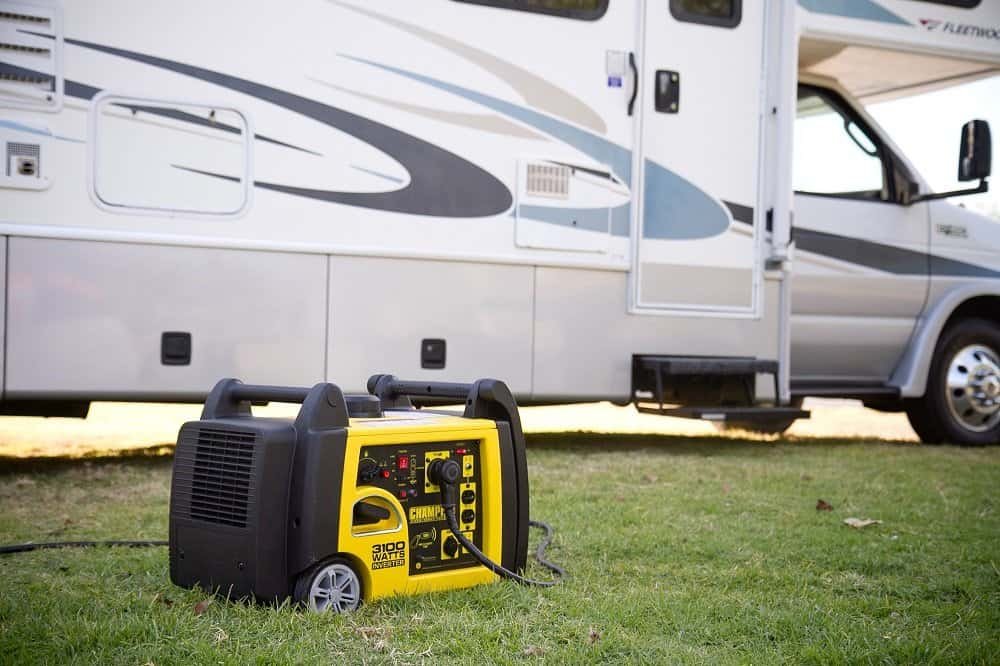
The hum of a generator isn't just noise; it's the soundtrack to freedom, a promise that your coffee will brew, your AC will chill, and your devices will stay charged no matter where your wheels take you. But with a market flooded with options, finding the right portable power can feel like navigating a maze. That's where this guide comes in: we’re diving deep into Top-Rated RV Generators: Reviews & Comparisons to help you uncover the perfect power partner for your next adventure, ensuring your journey is as comfortable as it is memorable.
Ready to cut through the confusion? Let’s power up.
At a Glance: Your Quick RV Generator Checklist
- Power Needs First: Match watts to your RV's requirements. Most need 2,000+ watts; 3,500+ watts is ideal for AC.
- Fuel Your Adventure: Gas (common, noisy), Propane (quieter, less accessible), or Solar/Battery (silent, eco-friendly, charging time varies).
- Silence is Golden: Inverter generators are quieter and safer for electronics. Power stations are virtually silent. Check noise ratings (dBA).
- Mobility Matters: Look for wheels, handles, and a weight you can manage. Generators are often on the move.
- Safety Above All: NEVER run fuel-based generators indoors. Ensure ample ventilation outdoors, 5-10 feet from your RV.
- Ports & Connections: A 30-amp RV outlet is essential. USB and standard AC ports are a bonus.
Why a Reliable Generator is Your RV's Best Friend
Imagine pulling into a stunning, secluded campsite—no hookups, just you and nature. Or perhaps a sudden power outage disrupts your journey home. In these moments, your RV generator transforms from a luxury item into an absolute necessity. It's the silent (or not-so-silent) workhorse that keeps your lights on, your fridge cold, your phone charged, and, crucially, your air conditioner blasting on a sweltering afternoon.
An RV generator is essentially a portable power plant, converting mechanical energy from fuel into essential 120-volt electrical energy. It’s not just about comfort; it's about extending your freedom, allowing you to venture further off-grid without sacrificing the conveniences that make RVing truly enjoyable. Beyond the road, many RV generators double as reliable emergency backup power for your home or job site, proving their versatility time and again.
Understanding Your Power Needs: Watts, Amps, and RV Size
Before you even think about specific models, you need a clear picture of your power requirements. This isn't just a suggestion; it's the single most critical factor in choosing the right generator. Overestimate, and you carry unnecessary weight and spend extra money. Underestimate, and you'll be dealing with tripped breakers and a powerless RV.
What's Your RV's Amp Rating?
Most RVs are either 30-amp or 50-amp systems:
- 30-Amp RVs: These typically need a generator providing around 3,000 watts. This is enough to run your AC unit (usually 13,500 BTUs), a microwave, lights, and charge devices, though you'll need to manage your power draw carefully (i.e., don't run the AC and microwave simultaneously).
- 50-Amp RVs: For these larger rigs, you're looking at 4,500 to 6,500 watts or more. This wattage comfortably handles two AC units, multiple appliances, and heavy electronics.
Calculating Your Wattage Needs
To get more precise, list every appliance you might want to run simultaneously. Find their starting watts (surge watts) and running watts. Starting watts are often 2-3 times higher than running watts and are crucial for appliances with motors like air conditioners or microwaves.
- Essentials: Lights, phone chargers, water pump – low wattage.
- Moderate: Refrigerator, TV, laptop – moderate wattage.
- High Draw: Air conditioner, microwave, hairdryer, coffee maker – high wattage.
As a general guideline, for essential appliances and occasional AC use in a smaller RV, 2,000-2,500 watts might suffice. For more frequent AC use, larger RVs, or those with multiple power-hungry appliances, 3,500+ watts is highly recommended. If you're considering a solar generator (power station), aim for at least 3,000 watt-hours capacity and 2,000 watts output for essentials, understanding they generally provide less sustained power than fuel-based options.
Fueling Your Freedom: Gas, Propane, or Solar?
The type of fuel your generator uses directly impacts convenience, noise, run time, and even where you can use it. Each option has its distinct advantages and trade-offs.
Gasoline Generators: The Go-To Workhorse
Pros:
- Widely Available: Gas stations are everywhere.
- High Power Output: Generally offers robust wattage for heavy loads.
Cons: - Noisy: Traditional gas generators can be quite loud.
- Emissions: Produces carbon monoxide, requiring outdoor-only use.
- Fuel Storage: Requires careful storage of flammable fuel.
- Maintenance: More moving parts mean more regular maintenance.
Best For: RVers who need maximum power, are comfortable with carrying gasoline, and don't mind the noise output.
Propane Generators: The Quieter, Cleaner Alternative
Pros:
- Quieter: Tends to run more silently than gasoline.
- Cleaner Burn: Produces fewer emissions, though still not safe for indoor use.
- Longer Shelf Life: Propane doesn't degrade like gasoline.
- Shared Fuel: If your RV uses propane for cooking/heating, you might already carry it.
Cons: - Slightly Less Wattage: Often delivers a bit less power than gasoline for the same engine size.
- Accessibility: Less common than gasoline for refills in some remote areas.
- Bulkier Tanks: Carrying 20-pound propane tanks can be cumbersome.
Best For: Those prioritizing quieter operation, a cleaner burn, and potentially sharing fuel with existing RV systems.
Dual-Fuel Generators: The Best of Both Worlds
Pros:
- Versatility: Switch between gas and propane based on availability or preference.
- Extended Run Time: Use one fuel, then switch to the other when it runs out.
Cons: - Complexity: Can be slightly more complex to operate due to two fuel systems.
- Cost: Often a bit pricier than single-fuel models.
Best For: RVers who want ultimate flexibility and backup options, especially for longer trips or emergencies.
Solar Generators (Portable Power Stations): The Silent & Sustainable Choice
Pros:
- Silent Operation: No noise, no fumes, perfect for quiet campgrounds or indoor use.
- Eco-Friendly: Harnesses renewable solar energy (with panels).
- Indoor Safe: No carbon monoxide risk, can be used inside your RV.
- Versatile Charging: Recharge via solar, wall outlets, or car.
Cons: - High Upfront Cost: Can be more expensive than fuel generators for comparable power.
- Charging Time: Solar charging can take 9+ hours; AC charging is faster (1-2.5 hours).
- Lower Sustained Output: May struggle with multiple heavy-duty appliances simultaneously compared to fuel generators.
- Weight (for larger units): High-capacity models can be very heavy, though often designed with wheels.
Best For: Environmentally conscious RVers, those who prioritize silence, enjoy boondocking, and need clean power for sensitive electronics. They're also excellent for supplementing existing RV battery systems.
The Quiet Revolution: Inverter vs. Conventional Generators
The choice between an inverter and a conventional generator is paramount, especially if noise is a concern or if you plan to power sensitive electronics.
Conventional Generators: Raw Power
These are the traditional "engine-driving-an-alternator" type. They run at a constant engine speed (usually 3,600 RPM) to produce 60 Hz AC power.
Pros:
- Cost-Effective: Often cheaper for higher wattage.
- Rugged: Built for heavy-duty applications.
Cons: - Loud: The constant high RPM makes them significantly noisier.
- Less Fuel Efficient: Doesn't adjust engine speed to load, wasting fuel.
- "Dirty Power": The power waveform isn't as clean or stable, potentially harming sensitive electronics like laptops, phones, or even delicate RV appliances.
Inverter Generators: Smart, Quiet Power
Inverter generators use an engine connected to an alternator to produce AC power, then convert it to DC, and finally "invert" it back to clean AC power. This multi-step process allows for precise voltage control and a stable power output.
Pros:
- Quiet Operation: They feature a "throttle" or "eco" mode that adjusts engine speed to the load, meaning they only work as hard as necessary. This significantly reduces noise, often making them suitable for campgrounds with noise restrictions.
- Fuel Efficient: Because they don't run at full throttle constantly, they use less fuel.
- "Clean Power": Provides a stable, pure sine wave power, which is ideal and safe for all sensitive electronics.
- Compact & Portable: Generally lighter and smaller than conventional generators of similar wattage.
- Parallel Capability: Many models allow you to link two units together for double the power.
Cons: - Higher Cost: Typically more expensive than conventional generators.
- Lower Peak Wattage: For extreme power demands, conventional generators often have higher single-unit peak outputs.
Best For: Almost all RVers. The benefits of quiet operation, fuel efficiency, and safe power for electronics make inverter generators the preferred choice for modern RVing.
Our Top-Rated RV Generators: In-Depth Reviews & Comparisons
Now that you're armed with the knowledge of what to look for, let's dive into the standout performers in the RV generator market. We've assessed a range of options, from compact and quiet models to heavy-duty powerhouses and the latest in portable solar technology.
Best Overall Dual-Fuel Workhorse
Champion Power Equipment Electric Start Dual Fuel RV Ready (4500-Watt)
This "Amazon's Choice" unit frequently tops lists for its blend of power, convenience, and safety. With 4,500 starting watts and 3,650 running watts, it's capable of powering multiple RV appliances, including a 15,000 BTU air conditioner.
- Key Features: Dual-fuel capability, electric start, RV-ready 30-amp outlet, CO Shield (carbon monoxide auto-shutoff), sleek design, built-in wheels and handle.
- Pros: Low noise (61 dBA), excellent versatility with dual-fuel, strong power output for most RVs, enhanced safety.
- Cons: Small fuel tank requires frequent refills, some users find it still a bit heavy despite wheels.
- Ideal For: RVers seeking a reliable, versatile, and safe generator for camping, tailgating, and emergency home backup.
Champion 4500-Watt Output Generator (Another Champion 4500-watt variant)
While the model name is slightly ambiguous in the ground truth, this appears to be a highly-rated, robust inverter generator from Champion, known for its solid performance.
- Key Features: 4,500-watt output (sufficient for an entire RV including AC), operates at 61 dBA, integrated handle and wheels, up to 14 hours run time on 2.25 gallons of gas, 80-foot remote starter.
- Pros: High output for comprehensive RV power, quiet operation, long run time, remote convenience.
- Cons: Heavy (100+ pounds).
- Ideal For: RVers who need strong, quiet power for their entire rig and appreciate the convenience of remote starting, willing to handle the weight.
Best for Heavy-Duty Power Demands
DuroMax XP13000HX Dual Fuel Portable Generator (13000HX)
If you have a large RV with multiple AC units or want a generator that can truly back up your entire home, the DuroMax XP13000HX is a beast. This heavy-duty dual-fuel generator delivers an impressive 13,000 watts.
- Key Features: Dual-fuel, built-in muffler, four-gallon tank for up to 8 hours run time, EPA and CARB-approved, user-friendly design.
- Pros: Immense power output, fuel flexibility, relatively quiet for its size.
- Cons: Very heavy and large, likely overkill for most smaller RVs.
- Ideal For: Large RVs, fifth wheels, or as a primary home backup power source during extended outages.
Westinghouse Outdoor Power Equipment Portable Generator (WGen7500)
For robust gas-powered reliability, the Westinghouse WGen7500 offers serious wattage. With 7,500 running watts, it can easily handle an RV's AC unit and other appliances for extended periods.
- Key Features: 7,500 running watts, remote-start key fob, cast iron sleeve for durability, three-year warranty, EPA, CARB, and CSA-compliant. Ships fully operational.
- Pros: High power, convenient remote start, built to last, excellent warranty.
- Cons: Gasoline only, not as quiet as inverter models.
- Ideal For: RVers needing significant, dependable power for longer trips, or as a reliable home backup unit.
Best Lightweight & Quiet Inverters
Westinghouse iGen2200 Lightweight Portable Inverter Generator (iGen2200)
This unit hits the sweet spot for many campers and RVers looking for quiet, portable power. It's incredibly lightweight and designed for easy single-handed transport.
- Key Features: Quiet operation, lightweight, parallel capability (run two units for more power), runs 12 hours on a single gallon of fuel, safe for sensitive electronics.
- Pros: Excellent fuel efficiency, extremely portable, very quiet.
- Cons: Quicker starting and tool-free panels could improve user experience, lower wattage might not run heavy-duty appliances simultaneously.
- Ideal For: Solo RVers, campers, tailgaters, and those who prioritize portability and quiet for essential power needs and sensitive electronics.
Generac 8251 GP2500i Gas Powered Portable Inverter Generator (8251)
Generac steps up with a compact, lightweight, and ultra-quiet inverter generator featuring crucial safety technology.
- Key Features: Compact, lightweight, ultra-quiet, COsense Technology (shuts off if dangerous carbon monoxide levels are detected), energy-efficient, parallel connection capability.
- Pros: Top-tier safety features, highly portable and quiet, efficient operation.
- Cons: Starter battery instructions can be unclear.
- Ideal For: Campers and RVers needing reliable, safe, and quiet power for light use, or as a backup for essentials at home.
YAMAHA EF2200iS Inverter Generator (EF2200iS)
Yamaha's entry is known for its legendary reliability and ease of use. This inverter generator is energy-efficient and quiet, making it a favorite among vacationers.
- Key Features: Energy-efficient, quiet, portable (55lbs with carry handle), starts on first pull, includes a fuel gauge.
- Pros: Renowned Yamaha quality and durability, easy to start, compact power.
- Cons: Simpler control panel, more durable body, and a larger tank (though this would reduce portability) could improve the user experience.
- Ideal For: Vacationers and RVers who value reliability, quiet operation, and portability for their essential power needs.
Honda EU2200i Portable Inverter Generator
The Honda EU2200i is iconic for a reason. It's a gold standard in portable, quiet power, known for its incredible durability and compact size.
- Key Features: Highly portable (46 pounds, shoebox-sized), remarkably quiet (47-58 decibels), inverter technology, built for longevity.
- Pros: Industry-leading quietness, legendary reliability, extremely fuel-efficient.
- Cons: 2,200-watt output is small for powering an entire RV (especially AC).
- Ideal For: RVers and campers who need extremely quiet, dependable power for basic essentials and sensitive electronics, and who might consider parallel linking for more power. Often considered the best RV generator for those prioritizing silence and longevity over raw power.
Best Budget-Friendly Dual-Fuel
Wen DF360iX Dual Fuel Portable Inverter Generator
For those seeking dual-fuel flexibility without breaking the bank, the Wen DF360iX offers a compelling package. It balances decent power output with a lightweight design.
- Key Features: Dual-fuel (3,600 gas / 3,500 propane starting watts; 900 gas / 2,600 propane running watts), lightweight (49 pounds), multiple ports (30-amp RV, AC, DC, USB), auto-shutoff for low fuel, CO sensor.
- Pros: Affordable dual-fuel, good portability, comprehensive safety features, RV-ready outlet.
- Cons: Small gas tank (1.5 gallons, 5 hours at half-load); though a 20-pound propane tank offers up to 14 hours. Rated at ~65 dBA, which is slightly louder than some premium inverters.
- Ideal For: Small to mid-size RVs, budget-conscious buyers, and those who value the flexibility of dual-fuel without needing top-tier quietness or the highest output.
The Future of RV Power: Portable Power Stations (Solar Generators)
These battery-based units are rapidly gaining popularity for their silent operation, lack of emissions, and convenience. While they don't generate power in the traditional sense, they store it for on-demand use.
Jackery HomePower 3000 Portable Power Station
The Jackery HomePower 3000 delivers substantial power and capacity, making it a viable alternative to traditional fuel generators for many RVers.
- Key Features: 3,600 watts output, 3,072 watt-hours LiFePO4 battery capacity, under 60 pounds, handles (no wheels), recharges in ~9 hours with two 200-watt solar panels or faster via AC, 30-amp RV outlet, AC, DC, USB ports, app monitoring, BMS.
- Pros: Powers RV AC and other needs, silent, no fumes, long-lasting battery, multiple charging options, smart features.
- Cons: No wheels (can be heavy to lift), solar charging takes time, higher initial cost than a basic fuel generator.
- Ideal For: RVers and tiny home enthusiasts who want a silent, emission-free power source for their RV and potentially as a home backup.
EcoFlow Delta Pro Ultra Portable Power Station
For the ultimate in portable power station performance, the EcoFlow Delta Pro Ultra is a powerhouse capable of running a full RV or even backing up an entire house.
- Key Features: 7,500 watts output, 6,500 watt-hours capacity (expandable), fast charging (approx. 2 hours via wall outlet), modular design with wheels and removable batteries.
- Pros: Enormous power output and capacity, extremely fast charging, silent, versatile.
- Cons: Very heavy (180+ pounds total), significant investment, overkill for many RVers.
- Ideal For: Large RVs with high power demands, full-time RVers, or those seeking a robust whole-home backup solution that can also power their RV.
Bluetti AC200L Portable Power Station
The Bluetti AC200L offers a great balance of power, capacity, and rapid charging, making it a versatile option for RV and outdoor enthusiasts.
- Key Features: 2,400 watts output, 2,048 watt-hours capacity (expandable up to 8,192 Wh), numerous AC, DC, and USB ports, very fast charging (0-100% in ~1 hour AC, ~2 hours solar), durable construction.
- Pros: Fast charging, excellent port variety, expandable capacity, durable, suitable for multiple gadgets.
- Cons: Lower base capacity than some other large power stations (though expandable).
- Ideal For: RVers who need to charge many devices in addition to essential RV appliances, value rapid recharging, and prefer a durable, all-in-one unit.
Geneverse GD400BN Dual Fuel Portable Power Station
While branded as a "portable power station," the Geneverse GD400BN is more accurately a dual-fuel generator according to the ground truth's description. It offers powerful output in a relatively portable package.
- Key Features: 4,000-watt output, quiet (when using propane), portable (under 50 pounds), dual-fuel (gasoline/propane), single AC outlet.
- Pros: Strong power output, dual-fuel flexibility, good portability.
- Cons: Only one AC outlet, gasoline is noisy, propane is less accessible in some areas and delivers slightly less wattage.
- Ideal For: Users who need a strong, portable, dual-fuel generator for moderate power needs and appreciate the option for quieter propane operation.
Westinghouse iGen4500 Portable Inverter Generator
This Westinghouse unit brings robust power to the inverter generator category, making it a strong contender for powering an entire RV.
- Key Features: Quiet operation (throttling system reduces noise at low usage), hefty 4,500-watt output, remote starter, retractable handle, wheels, and lifting handles.
- Pros: Powerful enough for an entire RV, quiet for its output, excellent portability features for its weight, remote convenience.
- Cons: Still on the heavier side despite mobility aids.
- Ideal For: RVers who need significant inverter power, value quiet operation, and appreciate features that aid in mobility.
Beyond Power: Key Features to Look For
Once you've narrowed down your choices by wattage and fuel type, a few other features will distinguish a good generator from a great one.
Noise Level: Preserve the Peace
This is often a deal-breaker for RVers, especially in campgrounds with strict noise policies (e.g., National Park Service prohibits noise above 60 dBA at 50 feet).
- Inverter Generators: Typically range from 50-65 dBA, comparable to a normal conversation or a dishwasher. Look for models with "Eco Mode" or "Throttle System" for quieter operation at lower loads.
- Power Stations: Virtually silent, making them ideal for any environment.
- Conventional Generators: Can easily exceed 70 dBA, which is quite disruptive.
If you opt for a fuel-based generator, consider investing in a soundproof or baffle box to further reduce its noise footprint.
Portability & Durability: On-the-Go Toughness
Generators for RVs are inherently portable, but some are much easier to move than others.
- Weight: For a 2,000-watt unit, aim for 40-50 pounds. For 3,000-4,000 watts, 50-100 pounds is common.
- Mobility Aids: Built-in wheels and sturdy handles are invaluable, especially for heavier units. Some even feature retractable handles like luggage.
- Construction: A robust frame and durable casing are crucial for longevity, given the bumps and vibrations of travel. Look for cast iron sleeves in engine blocks for extra durability.
Run Time: How Long Can You Go?
This refers to how long a generator can operate on a single tank of fuel (or a single charge for power stations).
- Fuel Generators: Portable gas generators typically run 6-18 hours, depending on fuel capacity and load. Propane often offers longer run times from a standard 20-pound tank.
- Power Stations: Can run for several hours to days depending on capacity and load, with recharging times ranging from 1-2.5 hours (AC) to 9+ hours (solar).
Ports & Connectivity: Power for Everything
Your generator should have the right outlets for your RV and other devices.
- RV Outlet: A standard 30-amp/120-volt RV outlet is non-negotiable for directly connecting to your RV.
- AC Outlets: Multiple standard 120-volt AC outlets for tools, small appliances, or charging.
- DC Outlets: A 12-volt DC outlet for charging automotive batteries.
- USB Ports: USB-A and USB-C ports are a huge convenience for charging phones, tablets, and other modern gadgets directly.
Safety Features: Peace of Mind
Modern generators come with important safety features:
- CO Shield/COsense Technology: Automatically shuts down the generator if dangerous levels of carbon monoxide are detected. Essential for fuel-based generators.
- Low Oil Shutoff: Protects the engine from damage due to insufficient oil.
- Overload Protection: Prevents damage to the generator and connected appliances if too much power is drawn.
Safety First: Essential Generator Operating Practices
No matter how top-rated your RV generator is, safety is paramount. Misuse can have serious, even fatal, consequences.
- Outdoor Use ONLY (Fuel Generators): This cannot be stressed enough. NEVER run a gasoline or propane generator inside your RV, garage, tent, or any enclosed space. The carbon monoxide it emits is colorless, odorless, and deadly.
- Placement & Ventilation: Position fuel-based generators 5-25 feet away from your RV or home (5-10 feet is ideal), ensuring it's clear of doors, windows, and vents. Good airflow is critical to disperse exhaust fumes.
- No Rain Operation: Do not operate any generator in the rain or wet conditions. This can lead to electrical damage, fire, or electrocution. If you must use it in light rain, ensure it's protected by a canopy or generator tent that still allows for ample ventilation.
- Read the Manual: Always, always, always read your generator's owner's manual before operation. It contains specific instructions for safe use, maintenance, and troubleshooting.
- Carbon Monoxide Detectors: Ensure your RV (and home, if using for backup) has working carbon monoxide detectors.
- Fuel Handling: Store fuel in approved containers, away from ignition sources. Refuel generators only when they are off and cool.
- Electrical Connections: Make sure all electrical connections are secure and appropriate for the load. Use heavy-duty, outdoor-rated extension cords. Turn off your RV's main circuit breaker before connecting the generator, then start the generator, then turn the breaker back on.
Power stations are the exception to the indoor-use rule. Since they run on batteries and emit no fumes, they are perfectly safe to use inside your RV or home.
Making Your Choice: A Quick Decision Guide
Feeling overwhelmed by options? Here’s a streamlined approach to pinpointing your ideal RV generator:
- Calculate Your Watts: List your essential RV appliances and their starting/running watts. Add them up. This gives you your minimum wattage.
- Determine Fuel Type:
- Max Power, Common Fuel: Go for Gasoline (or Dual-Fuel with gasoline as primary).
- Quieter, Cleaner, Shared Fuel: Consider Propane (or Dual-Fuel with propane flexibility).
- Silent, Eco-Friendly, Indoor Safe: A Portable Power Station (Solar Generator) is your best bet.
- Prioritize Noise:
- Silence is Golden: Power Station or a premium Inverter Generator (e.g., Honda, Westinghouse iGen, Yamaha).
- Acceptable Hum: Mid-range Inverter Generator (e.g., Champion 4500).
- Don't Care About Noise: (Rare for RVers, but if so) A Conventional Generator might offer more raw power for less money.
- Assess Portability:
- Easy Single-Handed Carry: Look for 40-50 lb inverter generators.
- Wheels are a Must: For anything 70+ lbs.
- Check Key Features: Ensure it has a 30-amp RV outlet, essential safety features (CO Shield!), and preferred conveniences like remote start or multiple USB ports.
By following these steps, you'll significantly narrow your choices and move closer to making an informed decision about your power needs.
Ready to Power Up Your Adventures?
Choosing the right RV generator isn't just about buying a piece of equipment; it's about investing in the freedom and flexibility that define the RV lifestyle. Whether you opt for the robust power of a dual-fuel inverter, the whisper-quiet efficiency of a solar power station, or the legendary reliability of an iconic brand, the goal remains the same: ensuring you have dependable electricity wherever your journey leads.
Take the time to assess your specific power demands, consider your camping style, and prioritize the features that matter most to you. With the insights from these Top-Rated RV Generators: Reviews & Comparisons, you're now well-equipped to select a power companion that will keep your next adventure bright, comfortable, and fully charged. Happy trails!