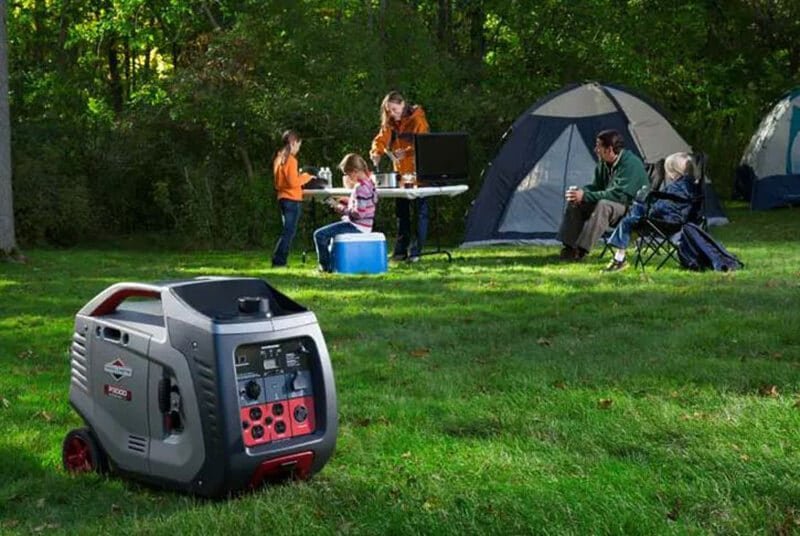
Imagine waking up in a remote, picturesque campsite, miles from the nearest outlet, yet your coffee maker is brewing, the AC is humming, and your devices are fully charged. This isn't a dream; it's the reality an RV generator provides, transforming your road trips into truly independent adventures. Whether you're boon-docking in the wilderness or simply need a reliable power backup, selecting the right RV generator is a game-changer for any mobile explorer.
This super pillar hub is your ultimate guide to understanding, choosing, and maintaining the perfect power companion for your rig. We'll demystify the technical jargon, highlight essential features, and help you pinpoint the generator that aligns perfectly with your specific camping style and power demands.
Powering Your Adventures: Why an RV Generator is Essential
An RV generator is more than just an accessory; it's the heart of your off-grid independence. It provides immediate electricity, allowing you to run everything from your cooking appliances and entertainment systems to crucial air conditioning units, all without draining your RV's batteries. This portable power also offers peace of mind, acting as an emergency power source, whether you're deep in the forest or enduring a power outage at home.
However, it's also important to consider the trade-offs. Generators require carrying extra fuel, can be a security concern due to their portability, and some models can be quite noisy. While soundproof boxes can help mitigate the noise, it's a factor to weigh against the unparalleled freedom they offer.
Decoding RV Generators: Key Features to Consider
Choosing the right RV generator involves balancing several critical factors to ensure you get the power you need without overspending or compromising on convenience. Let’s break down the key features that will shape your decision.
Wattage: The Heart of Your Power Needs
Wattage is arguably the most crucial specification. You’ll see two numbers: rated (or running) watts and maximum (or surge) watts. Rated output is the continuous power your generator can supply, while surge output is a brief burst of extra power needed to start motor-driven appliances like your AC or refrigerator. A 30-amp RV typically needs at least 3,000 watts, while a 50-amp rig might require 4,500 to 6,500 watts to comfortably power all its amenities.
Fuel Type: Gas, Propane, or Both?
Your generator's fuel type impacts efficiency, storage, and convenience.
- Gasoline generators are common and often more efficient, especially in cold weather, and can be refueled from your RV's gas tank. However, gasoline can go stale if stored for weeks and carrying large quantities can be cumbersome.
- Propane generators offer easier long-term storage and are ideal for extended off-grid periods, as propane doesn’t go stale. The trade-off is often lower efficiency and reduced wattage output compared to gasoline.
- Dual-fuel generators offer the best of both worlds, providing the flexibility to switch between gasoline and propane. This versatility can be a lifesaver when one fuel source is scarce.
Engine, Tank Capacity, and Outlets
The engine size directly correlates with wattage and weight; larger engines deliver more power but are heavier. Consider the fuel tank capacity, as it dictates how long your generator can run on a single tank – typically measured at half or quarter load. Most RV-specific generators feature a 120-volt, 30-amp RV outlet, which is essential for direct hookup. Smaller generators might require an adapter, but remember an adapter doesn't increase the current, so don't exceed the outlet's amperage.
Weight, Portability, and Warranty
Generators range from lightweight, single-person carry models to heavy units requiring two people or built-in wheels. Match the weight and portability to your RV's storage capacity and how often you plan to move the generator. Finally, a robust warranty, often ranging from one to three years, provides essential protection for your investment.
To dive deeper into these specifications and understand which combination is ideal for your unique setup, you'll want to explore our dedicated guide on Choosing the Best RV Generator.
The Sound of Silence (or Not): Understanding Noise Levels
Generator noise is a significant concern for many RVers, especially when camping in quiet areas or national parks with strict regulations. Noise levels are measured in decibels (dB) and can range from ultra-quiet (around 51 dB, similar to a refrigerator hum) to considerably louder (69 dB, closer to a vacuum cleaner). Inverter generators are generally the quietest option due to their advanced technology that adjusts engine speed to power demand.
Understanding these ratings and comparing models is key to maintaining peace in your campsite and good relations with your neighbors. For an in-depth look at what makes generators quiet and which models lead the pack, be sure to check out Understanding RV Generator Noise Levels.
What Kind of RV Generator Do You Need?
The world of RV generators isn't one-size-fits-all. Different designs cater to distinct needs, from compact units for basic power to robust systems for an entire mobile home.
- Portable Generators are the most common, offering flexibility to move them as needed.
- Inverter Generators are a subset of portables, known for producing clean power, being fuel-efficient, and significantly quieter. They are typically lighter and more compact.
- Conventional Generators are often more affordable for higher wattage but are louder and less fuel-efficient.
- Built-in/Onboard Generators are permanently installed in larger RVs, offering ultimate convenience but less flexibility.
Each type has its own set of advantages and ideal use cases. To truly Understand RV generator types and decide which best fits your travel style, our detailed guide offers comprehensive explanations and comparisons.
Our Top Picks: Recommended RV Generators
With so many options on the market, narrowing down your choices can be daunting. We've compiled a list of highly-regarded RV generators that consistently deliver performance, reliability, and value. Each offers unique strengths tailored to different needs and budgets.
Here are a few standout models:
- Champion 4500-Watt Dual Fuel RV Ready Portable Inverter Generator: A popular choice for its dual-fuel flexibility, quiet operation, and electric start. Great for diverse camping needs despite its smaller tank.
- DuroMax XP13000HX Dual Fuel Portable Generator: A heavy-duty powerhouse, perfect for large RVs or home backup with impressive wattage and a decent runtime for its size.
- Westinghouse iGen2200 Lightweight Portable Inverter Generator: An excellent option for campers who prioritize quiet operation, portability, and fuel efficiency for basic appliance needs.
- Generac 8251 GP2500i Gas Powered Portable Inverter Generator: Compact, super-quiet, and features COsense® Technology for enhanced safety, making it a reliable pick for general use.
- Westinghouse WGen7500 Portable Generator: Offers robust power, a convenient remote-start key fob, and a durable design, making it capable of running multiple appliances including an AC unit.
- YAMAHA EF2200iS Inverter Generator: Renowned for its fuel efficiency, quiet operation, and easy starting, ideal for vacationers looking to save on fuel without sacrificing quality.
- Honda EU2200IC: An extremely lightweight and fuel-efficient model, perfect for powering a small RV with Honda's legendary reliability.
For comprehensive reviews, side-by-side comparisons, and detailed insights into each of these top contenders and more, be sure to Discover the best RV generators in our dedicated review section.
Safe Power, Smart Camping: Operating Your RV Generator
Operating an RV generator safely is paramount for your well-being and the longevity of your equipment. Always begin by reading your generator's manual thoroughly. Before starting, check fuel levels and ensure the circuit breaker is off. Once started, operate the generator in a well-ventilated area, always outdoors, to prevent dangerous carbon monoxide buildup. Installing a carbon monoxide monitor in your RV is a non-negotiable safety measure.
When turning on appliances, prioritize motor-driven units like refrigerators first due to their surge requirements, and always turn off your air conditioner before starting or stopping the generator to prevent power surges. Remember, never refuel a running generator; always power it down and allow it to cool to prevent fire hazards. While you can use an adapter for your RV, be mindful that a 20A household outlet used with a 30A RV adapter means you should not run appliances (like your AC) that draw more than 20A.
Frequently Asked Questions About RV Generators
- Which fuel type is better? Gasoline often offers higher wattage and convenience for RVers as it matches their vehicle's fuel. Propane is excellent for longer, continuous use in one spot due to its stable storage.
- What are the benefits of electric start? Electric start offers push-button convenience and reliability, a welcome feature compared to pull-cord models, especially in cold weather or for those with physical limitations.
Keeping Your Power Source Ready: Maintenance & Care
Just like your RV, your generator needs regular attention to ensure it performs reliably for years to come. Proper maintenance, storage, and occasional troubleshooting are crucial. This includes routine oil changes, checking and replacing air filters, inspecting spark plugs, and ensuring the fuel system remains clean. When storing your generator, especially for extended periods, proper fuel stabilization is key to preventing issues.
Don't let minor hitches derail your adventures. Knowing how to perform basic RV Generator Maintenance, Storage & will keep your power source in peak condition and ready for whatever the road throws your way.
Power Up Your Next Adventure
Choosing the best RV generator is a significant step towards unlocking unparalleled freedom and comfort on your travels. By understanding your power needs, weighing the various features, and prioritizing safe operation, you can make an informed decision that will enhance every journey. Take the time to explore the supporting pillar articles to gain deeper insights and confidently select the generator that will light up your next adventure.